
If you’ve ever wondered what life looks like beneath Alaska’s chilly coastal waters, the SeaLife Center in Seward offers a front-row seat. More than just an aquarium, it’s a cutting-edge marine research facility, wildlife rehabilitation center, and conservation hub rolled into one. Opened in 1998, this nonprofit institution sits on the shores of Resurrection Bay, welcoming visitors with a mix of hands-on science, mesmerizing wildlife, and the kind of rugged coastal charm that defines Alaska.
Table of Contents
A Marine Window Into Alaska’s Wild Coast

Enrico Blasutto/Wikimedia Commons
The Alaska SeaLife Center (ASLC) stands apart from other aquariums because of its deep connection to the environment it studies. Its mission is simple yet ambitious: to understand and preserve the ecosystems of Alaska’s marine life through research, education, and rehabilitation.
With over 35,000 square feet of exhibits and habitats, the center introduces guests to creatures that thrive in the Gulf of Alaska, the Bering Sea, and beyond. Expect to encounter seals, puffins, octopuses, giant king crabs, and countless other species, all carefully housed in spaces designed to mimic their natural surroundings.
Why Seward, Alaska?
Locating the center in the small seaport of Seward, Alaska, isn’t accidental. Resurrection Bay’s deep, nutrient-rich waters provide a living laboratory for scientists studying Alaska’s marine ecosystems. The bay remains ice-free year-round, giving researchers consistent access to wildlife, from playful Steller sea lions to rare seabirds.
Seward’s rugged backdrop also makes it a natural tourist magnet, drawing visitors who want to explore Kenai Fjords National Park or embark on day cruises to see calving glaciers. A trip to the Alaska SeaLife Center fits seamlessly into an adventurous Alaskan itinerary.
Meet the Locals: Animals of the Center

One of the biggest draws of the Alaska SeaLife Center is the opportunity to get eye-level with Alaska’s native wildlife. Here are a few residents you won’t want to miss:
Steller Sea Lions: These massive marine mammals, often weighing up to 2,500 pounds, are ambassadors for a species facing population declines. Visitors can watch them glide effortlessly through expansive underwater viewing areas.
Harbor Seals: Known for their puppy-like faces and curious nature, the center’s harbor seals are a favorite among families.
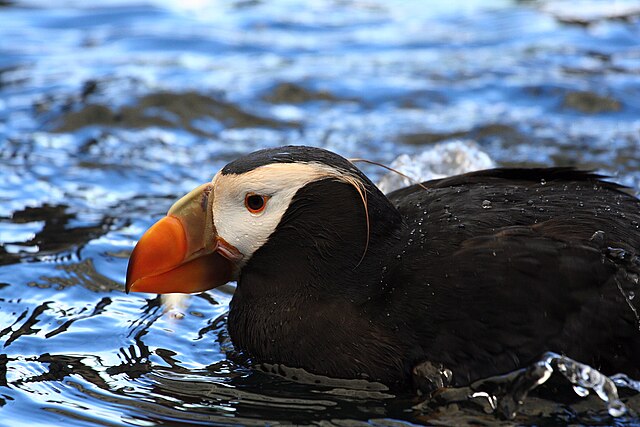
Seabird Aviary: Walk into a habitat that brings you nose-to-beak with puffins, murres, and auklets. Watch them dive, flap, and waddle in an environment that mirrors Alaska’s rocky cliffs.
Giant Pacific Octopus: Highly intelligent and endlessly fascinating, these “escape artists” regularly steal the spotlight with their shape-shifting antics.
Touch Tanks: For a truly hands-on experience, visitors can gently explore tide pool creatures like sea stars, urchins, and anemones.
Healing & Rehabilitation: A Second Chance for Wildlife
The Alaska SeaLife Center isn’t just about displays—it’s a lifeline for sick and injured marine animals. The Wildlife Response Program has treated stranded sea otters, orphaned walrus calves, and injured seabirds. Rehabilitation efforts often include complex medical care, with the ultimate goal of releasing animals back into the wild.
Nic McPhee/Wikimedia Commons
One of the center’s most famous success stories involved Tazlina, a stranded sea otter pup found near Cordova. After months of intensive care, Tazlina thrived and became an ambassador animal, teaching visitors about the challenges marine wildlife face.
Behind the Scenes: Research That Matters
Beyond its public exhibits, the ASLC is a powerhouse of marine research. Scientists here tackle pressing questions about climate change, fisheries, and wildlife health. Projects range from tracking the decline of Steller sea lion populations to studying the impacts of ocean acidification.
The center’s work doesn’t just stay within Alaska. Findings often influence conservation policies across the Pacific Rim, highlighting the global importance of the research conducted in this small corner of Seward.
Education for All Ages
Education is at the heart of the ASLC’s mission. The facility offers interactive programs for students, families, and even virtual visitors. Children can participate in marine science camps, while school groups can benefit from tailored programs that align with Alaska’s educational standards.
One highlight is the Discovery Touch Pool, where educators share fun facts about tidepool creatures. The center also hosts behind-the-scenes tours, allowing guests to see animal care in action and learn about the delicate balance of marine ecosystems.
Sustainability in Resurrection Bay
From the ground up, the Alaska SeaLife Center prioritizes sustainability. The building itself is designed to withstand Seward’s harsh weather while minimizing environmental impact. Energy-efficient systems keep habitats running, and the center works hard to reduce its carbon footprint.
Visitors are encouraged to carry these values forward, with exhibits that highlight how simple lifestyle changes—like reducing single-use plastics—can make a significant difference in protecting marine environments.
Planning A Visit
The Alaska SeaLife Center is an unforgettable stop on an Alaska itinerary.
- Location: 301 Railway Avenue, Seward, Alaska.
- Hours: Open year-round, though hours vary by season. Summer tends to have extended hours, while winter schedules are shorter.
- Admission: General admission prices are reasonable, with discounts for children, seniors, and Alaska residents. Proceeds support the center’s research and wildlife rehabilitation programs.
- Allow Enough Time: Plan for at least two hours to explore all exhibits, though marine life enthusiasts might easily spend half a day here.
- Best Time to Visit: Summer brings higher visitor numbers, but the experience remains engaging year-round, and winter visits often come with fewer crowds.
Beyond the Center: Explore Seward
A visit to the Alaska SeaLife Center often sparks a deeper appreciation for the wild beauty that surrounds Seward. After your marine deep dive, consider:
Kenai Fjords National Park: Day cruises offer up-close views of tidewater glaciers and marine wildlife, including humpback whales and porpoises.
Mount Marathon Trails: For land-based adventure, tackle one of Alaska’s most famous hiking challenges.
Historic Downtown Seward: Explore art galleries, cafes, and gift shops that reflect the town’s seafaring heritage.
The Alaska SeaLife Center is more than an attraction; it’s a vital link between people and the ocean. Visitors leave not only with great memories and photos but also with a deeper understanding of Alaska’s fragile marine ecosystems. By connecting education, research, and hands-on conservation, the center inspires a new generation of ocean stewards.
In a world where climate change and human impact increasingly threaten marine life, places like the Alaska SeaLife Center remind us why it’s crucial to protect what lies beneath the waves. Whether you’re a first-time visitor to the state or a lifelong marine enthusiast, this Seward gem offers a chance to experience the wild, resilient spirit of Alaska’s oceans—without ever getting your feet wet.
[ This article may contain links that provide the website with a small commission. ]

Rhonda Fletcher
Rhonda is an articulate hodophile, wine lover, and dedicated travel journalist and photographer. She focuses on culinary and cultural exploration, wildlife expeditions, ancient discoveries, and ecologically sustainable travel. Follow her exploits and shenanigans on X and Instagram: @rr_fletcher
Learn to Scuba Dive & Explore Earth’s 390,000 miles of coastlines.