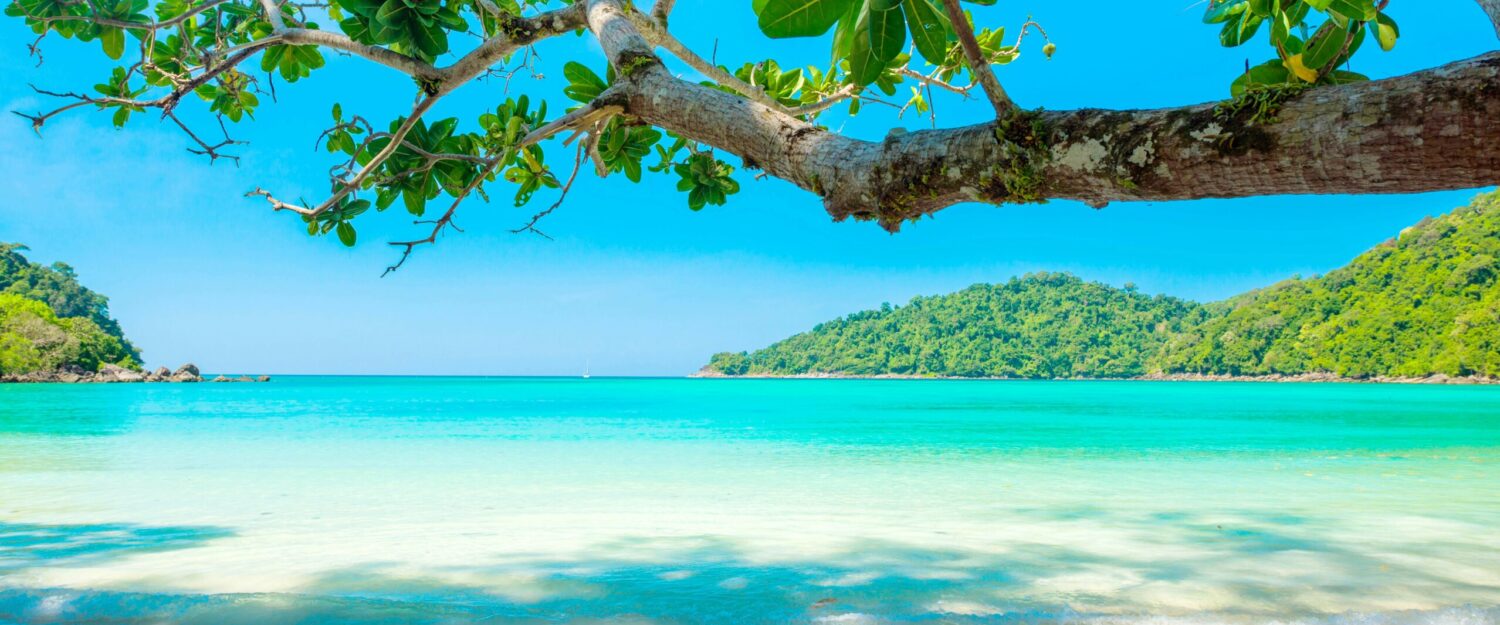

In Chile, the coast is more than a backdrop—it’s a way of life. Stretching over 4,000 miles from the dry edges of the Atacama Desert to the icy fjords of Patagonia, the Chilean coastline cradles one of the world’s most extraordinary food stories. Here, the Pacific Ocean is a living pantry, bursting with native seaweed, shellfish, deep-sea fish, and marine delicacies that most menus elsewhere barely dare to pronounce.
What’s been quietly simmering in fishing villages and seaside markets is finally taking the spotlight. A new generation of chefs, foragers, and fishermen is reshaping Chile’s coastal cuisine—reviving ancestral techniques, protecting marine ecosystems, and serving dishes that taste unmistakably like the sea. It’s not just food—it’s heritage on a plate.
Table of Contents
Where the Sea Meets the Stove

Chilean coastal cuisine has always been defined by geography and survival. The Pacific’s bounty, cold and wild, offers up everything from creamy sea urchins (erizos) to prized loco (Chilean abalone), razor clams (navajuelas), and mussels the size of a hand. Generations of fishermen, many of Indigenous Mapuche or Chono descent, have passed down methods of harvesting these ingredients with deep respect for seasonal rhythms and tidal knowledge.
In the past, these foods rarely made it beyond local markets. But times are changing.
Take the small port city of Puerto Montt. In local markets, seaweed—known as cochayuyo and luche—hangs in coils like pasta, waiting to be rehydrated into broths, stews, and salads. Once considered humble fare, these marine vegetables are now making waves in upscale Santiago kitchens. High in iodine, iron, and umami flavor, seaweed is no longer a side act—it’s center stage.
The Rise of Ocean-to-Table Dining
The global obsession with farm-to-table has met its oceanic match in Chile. Across the country, chefs are diving into a new ethos: ocean-to-table. The idea is simple but profound—serve seafood in ways that honor its origin, freshness, and sustainability. And no one is doing it quite like Chile.

In Valparaíso, the famously bohemian port city clinging to steep hillsides, a culinary revolution bubbles beneath the layers of graffiti and colonial facades. Restaurants like Tres Peces (Three Fish) refuse to use any ingredients that come from industrial fishing. Everything is small-scale, artisanal, and often unknown to even seasoned foodies. Dishes might feature piure, a bright-red, iodine-rich tunicate with a flavor somewhere between sea and iron, or pulmay, a Mapuche-inspired seafood stew slow-cooked underground in hot stones and banana leaves.
Further north in Coquimbo and the Elqui Valley, ceviche takes on a distinctly Chilean flavor. Instead of just citrus and onion, it’s layered with cilantro, ají verde, and sometimes seaweed or quinoa. The fish—often reineta, sierra, or corvina—is caught that same morning by small boats bobbing just offshore.
Locos, Lapas, and Legends of the Deep
Chile’s shellfish culture is as deep as its Pacific trench. Locos (Chilean abalone) are the crown jewel of coastal diving culture. Tender yet toothsome, they are often served with a touch of homemade mayo and lemon—a deceptively simple dish that captures a rich maritime legacy. Harvesting locos isn’t a casual affair; it’s regulated tightly, with divers allowed only a limited catch each year. This keeps populations sustainable while preserving a practice that dates back centuries.
Lapas, a type of sea snail clinging to coastal rocks, are another delicacy. They’re chewy and briny, ideal for grilling or adding texture to soups. Along rocky shores, foragers still pry them loose with handmade tools, keeping alive an artisanal tradition that’s all too rare in modern seafood industries.
In the Chiloé Archipelago, where rain falls like a misty curtain and wooden churches overlook craggy bays, food is a sacred ritual. Here, the curanto reigns supreme—a dish as much performance as sustenance. Traditionally cooked in a pit lined with hot stones, it combines shellfish, potatoes, sausages, and dumplings in a steamy embrace of earth and sea. Watching a curanto emerge from the ground is witnessing a cultural artifact in real time.
Seaweed: Chile’s Ocean Superfood
While much of the world only recently embraced seaweed, Chileans have been working with it for centuries. And now, thanks to nutritionists, chefs, and sustainability advocates, the rest of the planet is catching on.
Cochayuyo, a robust brown kelp, is particularly beloved. Found twisting along tidal rocks, it’s often dried and rehydrated to use in stews. The kelp can also be grilled with garlic and lemon for a smoky bite. Luche, a red algae, is sun-dried into pressed sheets. It is then added to soups or used as a wrap for fish.
Both varieties are rich in minerals, high in antioxidants, and naturally abundant. Marine forests are under threat worldwide. Chile’s approach—focused on wild harvesting and Indigenous stewardship—offers a hopeful model for future food security.
Chilean Favorites: What to Eat and Where
- Valparaíso – A city that tastes like salt and nostalgia. Try reineta with coastal herbs at a hilltop cafe. Their local fish market smells gloriously of sea foam and brine.
- Puerto Montt & Chiloé – Ideal for tasting curanto or freshly harvested mussels. Look for local eateries where chefs double as fishermen, offering a true taste of the region.
- La Serena & Coquimbo – Known for fresh ceviche and shellfish towers. The fish markets here bustle with energy, offering scallops, sea snails, and fish unknown outside Chile.
- Pichilemu – The surfing capital of Chile is also a rising spot for sustainable seafood pop-ups and beachside foraging tours.
Pairing the Catch with Chilean Wine
Chile’s coastal cuisine pairs beautifully with its underrated white wines. Sauvignon Blancs from the Casablanca or San Antonio Valleys bring crisp citrus notes that dance with ceviche. A lightly oaked Chardonnay holds its own against grilled conger eel (congrio). And mineral-forward Rieslings elevate the iodine punch of sea urchin or seaweed.
And for the curious palate, a glass of pisco sour offers a zesty, refreshing counterpoint to any seafood dish. Uniquely Chilean, they are made from grapes grown just inland from the coast.
Chilean For Sustainability

Chile’s coastal cuisine isn’t just delicious—it’s part of a larger movement to protect the sea. Overfishing and climate change threaten marine ecosystems globally. But Chile is fighting back with community-supported fishing, seaweed farming initiatives, and chef-led activism.
Organizations like Caleta Sustentable are empowering small fishing communities to sell directly to consumers. This way, they can cut out unsustainable middlemen and preserve marine biodiversity. It’s not just a trend—it’s a quiet culinary revolution.
A Living Chilean Legacy
To eat along Chile’s coast is to taste a country deeply connected to its geography, its history, and its future. Every dish tells a story—of Indigenous traditions, colonial flavors, modern reinvention, and wild beauty. This isn’t just about seafood—it’s about identity.
For travelers seeking something deeper than just a meal, Chile’s coastal cuisine offers immersion into a culture that rises and falls with the tide. It invites curiosity, rewards patience, and delivers flavor that lingers long after the last bite.
[ This article may contain links that provide the website with a small commission. ]

Rhonda Fletcher
Rhonda is an articulate hodophile, wine lover, and dedicated travel journalist and photographer. She focuses on culinary and cultural exploration, wildlife expeditions, ancient discoveries, and ecologically sustainable travel. Follow her exploits and shenanigans on X and Instagram: @rr_fletcher