
- A Journey Through Spain’s Historic Palate
- Citrus Sunshine and Sweet Stone Fruits
- Grapes: Not Just for the Vine
- Spices and the Art of Subtlety
- Agricultural Innovation From the Moors
- Culinary Moors Legacy in the Modern Kitchen
- Symmetry In Moorish Architecture And Cuisine
- The Moorish Mood in Travel
- A Lasting Flavor
A Journey Through Spain’s Historic Palate
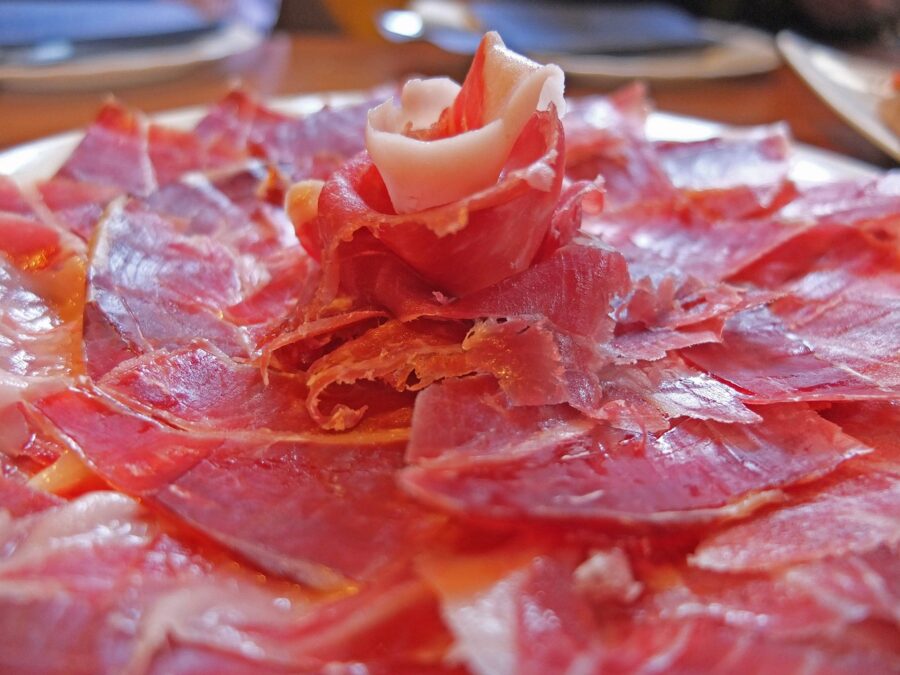
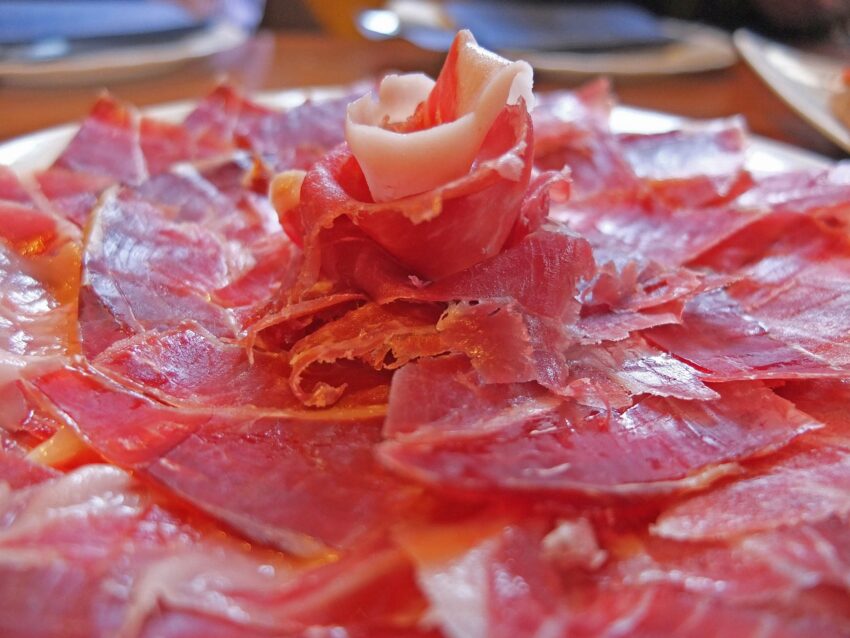
Wander through any bustling Spanish market—Seville, Granada, Valencia—and the influence of the Moors lingers like a fragrant whisper. Beneath the rainbow-striped awnings and the scent of jamón ibérico, hints of cinnamon, citrus, and saffron drift through the air. Though centuries have passed since the Moors ruled large swaths of the Iberian Peninsula, their culinary fingerprints are pressed into the very soul of Spanish cuisine.
Between the 8th and 15th centuries, North African Berbers and Arabs brought more than architecture and science to Al-Andalus, as Muslim-ruled Spain was called. They arrived with seeds in their saddlebags, spices in their silken robes, and an understanding of irrigation and agriculture that would change the Iberian table forever.
Citrus Sunshine and Sweet Stone Fruits
Before the Moors, the Iberian diet leaned heavily on local grains, olives, fish, and game. Once the newcomers arrived, the flavors of the Middle East and North Africa began to unfurl across the sun-drenched landscape.
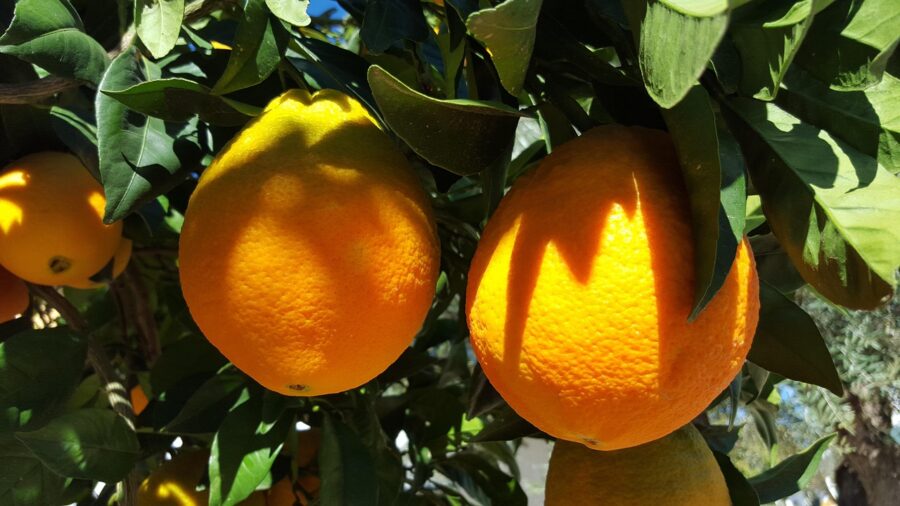
Oranges—now a symbol of Andalusia—were among the most influential arrivals. Though citrus fruits had been known in Mediterranean regions, it was the Moors who turned orange groves into flourishing agricultural staples. Bitter Seville oranges, essential for marmalade and liqueurs like Cointreau, descend directly from those early plantings. Lemons and limes followed, their sharp brightness cutting through the richness of meat and fish dishes. They brought not only flavor but function: natural preservatives in an age before refrigeration.
Apricots, another Moorish treasure, found a second home in Spain’s orchards. Often dried and folded into savory stews or baked into delicate pastries, they added a honeyed note to both Moorish and later Spanish cuisine. Figs, pomegranates, and dates added layers of sweetness and texture, anchoring dishes in the sunny opulence of Islamic culinary tradition.
Grapes: Not Just for the Vine
Spain’s love affair with grapes predates the Moors—Phoenicians and Romans were already tending vineyards—but new varietals introduced by Muslim agriculturists diversified the viticultural landscape. Though Islamic law discouraged wine consumption, grapes served many purposes. Eaten fresh, dried into raisins, or transformed into syrups and non-alcoholic drinks, they became a versatile staple in the Moorish pantry.
These grapes also laid the groundwork for future viticulture. Centuries later, Spanish winemaking would rise to global prominence—its roots tracing quietly back to that period of Moorish agricultural experimentation and excellence.
Spices and the Art of Subtlety
If fruit was the Moorish gift of abundance, spices were their symphony of sophistication. One of the most prized introductions was saffron—the vivid, golden threads hand-harvested from crocus flowers. Its earthy, slightly metallic fragrance came to define dishes like paella, transforming simple rice and seafood into a national icon. It wasn’t just flavor—it was art on a plate.
Cumin and coriander found new fans among Iberian cooks, while cinnamon and ginger offered warmth and depth to both savory dishes and desserts. These spices weren’t thrown into the pot in wild abandon; they were used with precision and restraint, a hallmark of Moorish culinary philosophy.
This spice palette continues to thread its way through Spanish cuisine. Take pinchos morunos—skewers of spiced meat, seasoned with cumin and paprika—a direct descendant of Moorish street food. Even the concept of seasoning meat with vinegar and spice before cooking, now a staple in Spanish cooking, owes its origins to the culinary chemistry of Al-Andalus.
Agricultural Innovation From the Moors
Perhaps even more transformative than the ingredients themselves was the technology the Moors brought with them. Advanced irrigation systems—including canals, aqueducts, and norias (water wheels)—allowed crops to thrive even in Spain’s most arid regions. These techniques turned dry plains into fertile farmland, making year-round cultivation possible.
The landscape changed dramatically. Terraced hillsides and well-planned orchards gave rise to an agricultural renaissance. Crops like rice, almonds, and sugarcane joined the ever-growing culinary chorus. The result was a land not only richer in variety but also more self-sustaining and bountiful.
Culinary Moors Legacy in the Modern Kitchen
Fast-forward to today, and the legacy of Moorish flavors lives on in Spanish kitchens. Turrón, the popular nougat treat enjoyed at Christmas, is traditionally made with almonds and honey, two essential ingredients in Moorish cooking. Ajoblanco, the chilled almond and garlic soup from Andalusia, carries unmistakable echoes of North African culinary sensibility.
Even the Spanish pantry retains Moorish echoes. Pomegranate molasses might not be a mainstream staple, but its flavors are found in sauces and glazes across the South. The pairing of meat with fruit, once a radical idea, is now a classic technique—pork with figs, chicken with apricots, lamb with prunes.
And then there’s migas—a humble dish of fried breadcrumbs, garlic, and chorizo. While its rustic nature feels thoroughly Spanish, early Moorish versions included spices and dried fruit, speaking to a more opulent origin.
Symmetry In Moorish Architecture And Cuisine

The culinary legacy of the Moors is mirrored in their architecture. Just as a courtyard in Córdoba’s Mezquita echoes with the precision of Islamic geometry, the flavors of their cuisine reveal a similar symmetry—sweet balanced with sour, heat tempered by coolness, spice layered with restraint.
In Granada’s Alhambra, carvings along the walls whisper prayers and poetry. At the table, those same poetic principles apply—every flavor with purpose, every ingredient chosen with reverence.
The Moorish Mood in Travel
For those meandering through southern Spain, culinary exploration offers a direct path into the region’s rich history. A stroll through Valencia’s citrus groves or a visit to a Granada spice market becomes a time machine of taste. Food tours in Seville often highlight dishes with Moorish roots, while rural cooking classes may introduce ancient spice blends that have been used for centuries.
Restaurants from Córdoba to Málaga continue to revive ancient Andalusi recipes, offering modern interpretations of dishes once served in palace kitchens or humble village homes. Cookbooks, too, have begun celebrating the fusion between Moorish and Spanish cuisines—a meeting of two worlds, forever entwined on the tongue.
A Lasting Flavor
The Moorish influence on Spanish cuisine extends beyond a list of ingredients. It’s a philosophy—a way of thinking about food that values subtlety, balance, and the sensual pleasure of eating. This embodiment of taste and balance can also be seen in other countries of Spanish influence. It’s in the way a Valencia orange bursts with sunshine, or how a spoonful of saffron rice can transport the senses.
Spain’s culinary identity, vibrant and layered, carries this ancient wisdom in every bite. And though the Moors left long ago, their legacy lingers—spiced, sweetened, and savored, one dish at a time.
[ This article may contain links that provide the website with a small commission. ]

Rhonda Fletcher
Rhonda is an articulate hodophile, wine lover, and dedicated travel journalist and photographer. She focuses on culinary and cultural exploration, wildlife expeditions, ancient discoveries, and ecologically sustainable travel. Follow her exploits and shenanigans on X and Instagram: @rr_fletcher