
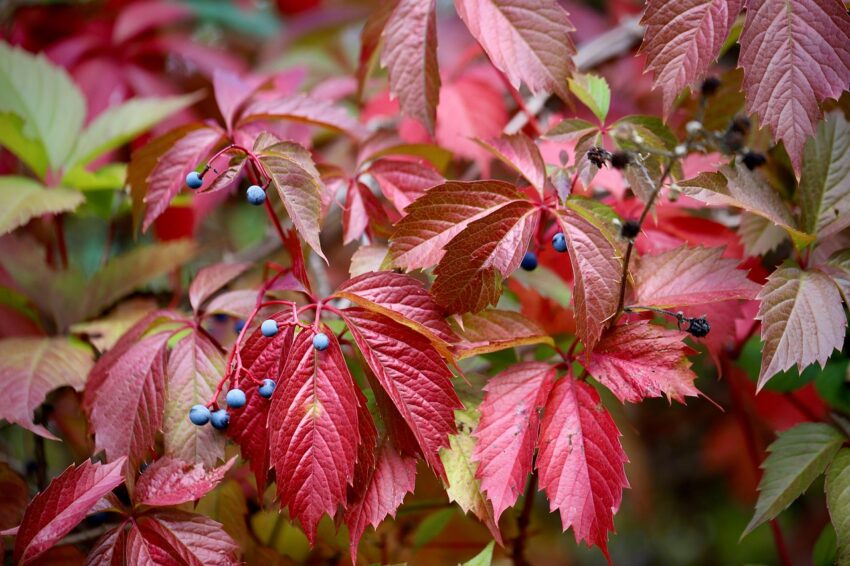
Imagine micro vineyards the size of a backyard. No rolling acres, no sweeping hills. Just a few dozen grapevines planted in curious rows, maybe tucked into a rooftop garden, perched along a coastal cliff, or wedged into a converted shipping container.
Welcome to the exciting, eccentric, and deeply passionate world of experimental micro vineyards, where wine dreams are born in unlikely places and climate innovation meets old-world soul.
Table of Contents
What Exactly Is an Experimental Micro Vineyard?
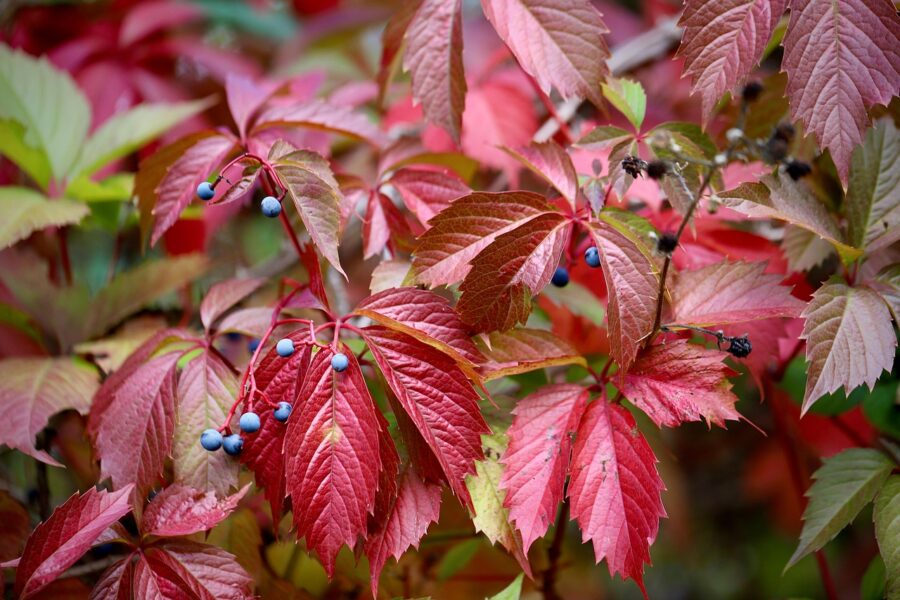
A micro-vineyard is a very small-scale vineyard, often under an acre, sometimes as tiny as a few rows. When labeled “experimental,” these petite plots become hotbeds for innovation. Growers use them to trial unconventional grape varieties, test biodynamic or regenerative practices, study climate adaptability, or simply see if grapes will grow in places no one expected—like an island rainforest, urban rooftop, or rocky desert plateau.
Think of them as the “pop-up labs” of the wine world. They’re part farm, part research station, part art installation. The results might never make it to your supermarket shelf—but they may inspire the wines that do.
Why Micro? Why Now?
As climate change alters traditional wine regions and consumer tastes evolve, the wine world is being forced to rethink its boundaries. Traditional vineyards, while beautiful, are expensive, land-intensive, and slow to adapt.
Micro vineyards, by contrast, offer agility and creativity.
Here’s why they’re catching on:
- Climate Resilience: Researchers and adventurous growers use micro vineyards to test which grapes thrive in warmer or more volatile climates.
- Urban Farming & Sustainability: Rooftop micro-vines and reclaimed land sites are redefining terroir and shrinking the wine industry’s carbon footprint.
- Biodiversity: Growers can test rare or hybrid grape varieties that might never get space in a commercial vineyard.
- Storytelling: For winemakers and travelers alike, there’s romance in a bottle that began as an experiment.
Around the World in a Few Rows
You might be surprised where experimental micro vineyards are popping up:
Puerto Rico: Wine Among the Palms
After Hurricane Maria, Puerto Rican innovators began planting hurricane-resistant grape varieties like Black Spanish (Lenoir) in elevated mountain farms. A few tiny vineyards like Finca Vista Bella in Utuado are not just producing wine—they’re rewriting the island’s agricultural narrative.
Brooklyn, New York: Vines in the Sky
Yes, even in the heart of NYC, experimental vineyards are happening. Rooftop vineyards like Rooftop Reds in the Brooklyn Navy Yard have proven that urban terroir is a thing. Here, Cabernet Franc and Riesling vines soak up the city sun, and the wines are poured with skyline views.
Iceland: Grapes Near the Arctic Circle
Using geothermal greenhouses and controlled environments, Icelandic growers are experimenting with cold-hardy grapes. It’s not just sci-fi—these micro-vines are already bearing fruit (and producing wine).
Japan: Slopes and Science
In Nagano and Hokkaido, Japanese vintners are using micro vineyards to explore obscure grape crossings, altitude-based planting, and hyper-local wine styles. The Japanese concept of kodawari—a devotion to perfection—fits perfectly with these precise, high-experimentation plots.
The Traveler’s Takeaway: Micro Vineyards
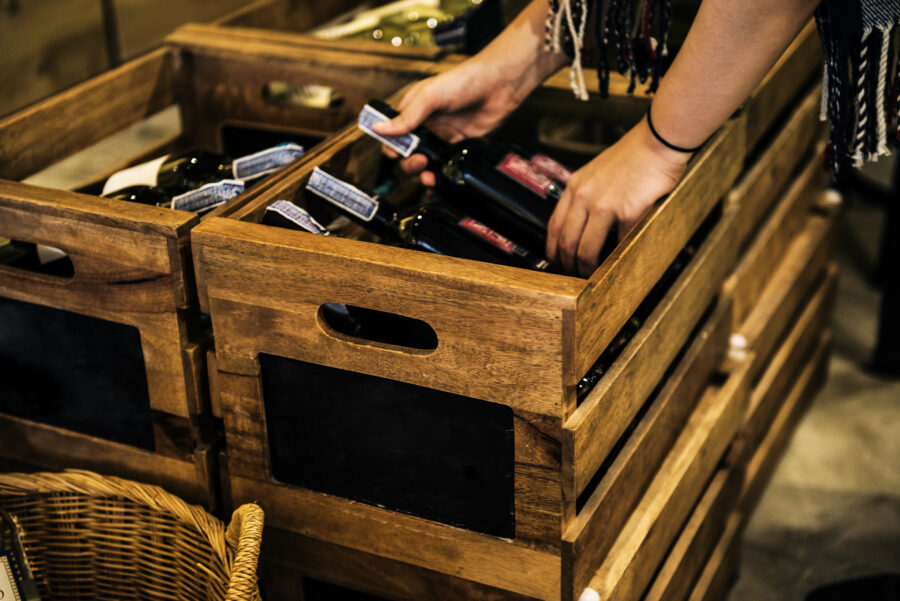
For wine-loving travelers, oenophiles, visiting an experimental micro-vineyard is like stepping into a living wine story. The growers are often eccentric and inspiring, willing to give you the full tour and pour you something unique—maybe even unfinished. You’ll taste wine that reflects not just a place, but an idea in progress.
These visits are intimate, unpredictable, and deeply memorable. One sip might be earthy and rustic. The next might surprise you with tropical acidity or peppery minerality. Every bottle tells a tale of risk, reinvention, and possibility.
Some micro vineyards also function as immersive stays—think hillside glamping among the vines or working vineyard residencies. Others might host pop-up dinners, DIY grape stomping events, or invite you to plant your own experimental vine.
Micro Vineyards and the Future of Wine
The innovations that start in experimental vines plantings often echo into the broader wine world. Think about disease-resistant hybrids, drought-tolerant rootstocks, or low-intervention fermentation—all trends that were once considered fringe. Many began in small plots where there was room to fail, rethink, and try again.
As global wine regions are forced to face rising temperatures, shifting rainfall, and new consumer expectations, these experimental vineyards are more than cute curiosities—they’re the future. A future planted row by tiny row.
Final Pour
Experimental micro vineyards are a delightful contradiction. They’re humble in size, yet bursting with ambition. They don’t always produce the best wine—but they always produce the most interesting stories. Whether perched on a city rooftop or clinging to the side of a volcanic slope, these tiny vineyards are proving that you don’t need hundreds of acres to change the world of wine.
Wine By The Acre
[ This article may contain links that provide the website with a small commission. ]

Rhonda Fletcher
Rhonda is an articulate hodophile, wine lover, and dedicated travel journalist and photographer. She focuses on culinary and cultural exploration, wildlife expeditions, ancient discoveries, and ecologically sustainable travel. Follow her exploits and shenanigans on X and Instagram: @rr_fletcher