
Nestled in the Strait of Malacca, Penang is an island where time does not stand still—it dances. This cultural and culinary powerhouse of Malaysia blends Chinese heritage with Indian spice, Malay tradition, and colonial charm, wrapped in a coastal energy that feels both timeless and wildly current. Travelers between 25 and 50 often seek out places where history hums beneath a modern beat. Penang offers all that—plus an extra helping of sambal and street art.
A Brief Taste of Penang’s Past
Long before Instagram found its murals, Penang was a pivotal node in maritime trade. Founded in 1786 by the British East India Company, George Town became a global port city where immigrants from China, India, and the Malay Archipelago mixed their languages, foods, and festivals. The resulting fusion culture still defines Penang today.
In 2008, UNESCO recognized George Town’s historic core as a World Heritage Site, citing its preserved colonial architecture and multicultural identity. These accolades didn’t freeze the island in time—they made it thrive with more murals, open-air markets, and old-meets-new magic.
George Town: Living Street Museum
George Town isn’t just the capital of Penang—it’s its soul. Walking through its backstreets is like flipping through the pages of a living history book. Trishaws glide by pastel-painted shophouses, incense drifts from Taoist temples, and somewhere, a wok is hissing.
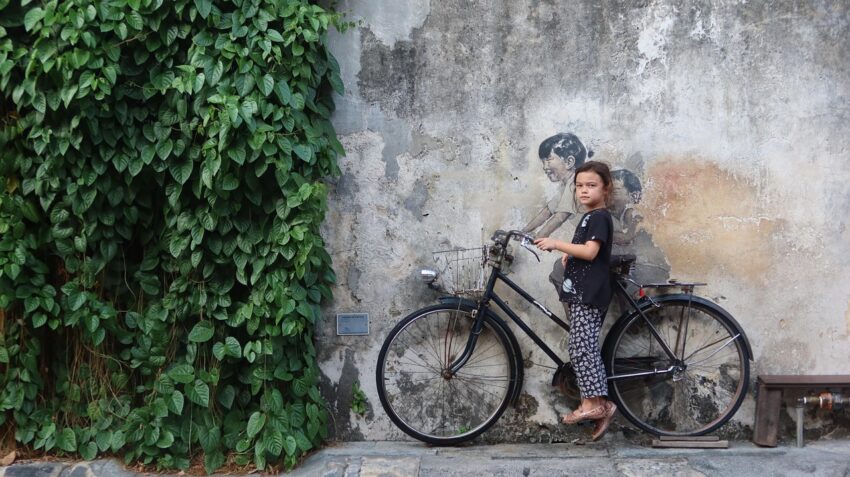
Lantern-lit streets such as Armenian Street and Love Lane are hotspots for mural hunting. Artist Ernest Zacharevic helped kick off Penang’s street art movement with his interactive works like Children on a Bicycle, painted in 2012. Today, dozens of murals—from cheeky cartoon cats to poignant social commentary—adorn alley walls.
Amid the artistry are clan houses (like Khoo Kongsi), Peranakan mansions (try Pinang Peranakan Mansion), and Chinese medicine shops that still measure herbs on brass scales.
The Street Food Capital of Asia
If Penang had a national anthem, it would be the sizzle of a char kway teow pan. Food is not just a pastime here—it’s a performance. The island’s culinary identity is a rich medley of Malay, Chinese, Indian, and Eurasian influences.

The famous Gurney Drive hawker center is one place to start, but some of the best bites come from anonymous carts on random corners. Look for long queues and you’ve likely found gold.
Must-try dishes include:
- Char Kway Teow: Wok-fried flat noodles with prawns, egg, and Chinese sausage.
- Penang Laksa: A spicy-sour fish broth with rice noodles, topped with mint and pineapple.
- Nasi Kandar: Steamed rice drenched in multiple curries, often accompanied by fried chicken or beef rendang.
- Rojak: A tangy fruit and vegetable salad with crushed peanuts and shrimp paste dressing.
For early risers, breakfast kopitiams offer kaya toast and strong kopi o’ (black coffee sweetened with condensed milk). Late at night, open-air nasi lemak stands and satay grills keep things lively.
Nature, Beaches, and Breezy Escapes

Penang is more than George Town. Outside the city, the island’s landscape turns lush and serene.
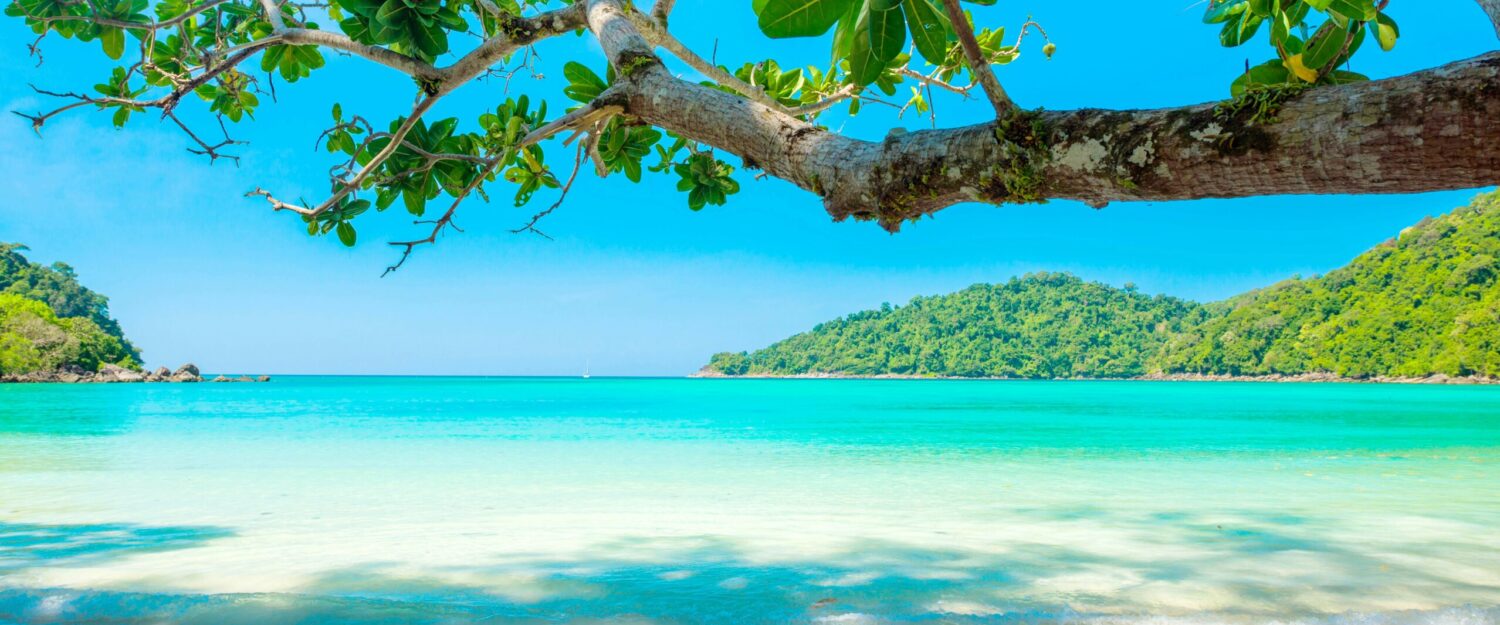
Batu Ferringhi, the island’s most developed beach stretch, is known for its golden sands, parasailing, and night bazaars. Though touristy, it’s an easy place to unwind with a drink in hand and feet in the surf.
Penang National Park, in the northwest, is one of the world’s smallest yet most biodiverse reserves. Trails wind through mangroves and rainforest to hidden beaches like Monkey Beach or Kerachut Beach, the latter home to a seasonal turtle hatchery.
Penang Hill, accessible via a century-old funicular railway, delivers panoramic views and cool breezes. At the top sits The Habitat, a canopy walk and ecological park alive with tropical birds and forest giants.

Art Beyond the Walls
Penang doesn’t relegate art to murals. Contemporary galleries like Hin Bus Depot—an old bus station turned creative space—host rotating exhibits, artisan markets, and indie film screenings.
Every August, the George Town Festival takes over the city with a celebration of visual art, performance, literature, and dance. From pop-up theater to experimental installations, it showcases how tradition and innovation coexist on the island.
Penang also hosts the George Town Literary Festival, Southeast Asia’s leading literary event, drawing authors and thinkers from across the globe. Panels often explore identity, language, and postcolonial narratives—very much in tune with Penang’s own layered story.
Architectural Kaleidoscope
Penang’s built environment tells its own story. British colonial buildings stand beside Chinese shopfronts, Islamic mosques, and Hindu temples—all within walking distance. The architecture isn’t just preserved; it’s repurposed.
Boutique hotels like Seven Terraces or The Edison reimagine historic mansions with polished teak and terrazzo floors. The Blue Mansion (Cheong Fatt Tze Mansion), with its indigo façade, is both a functioning hotel and a portal to the opulence of 19th-century Chinese-Malaysian tycoons.
Even cafes and hostels get in on the revival, transforming shophouses into espresso bars, co-working hubs, and record stores. The past is not frozen—it’s adapted, lived in, and alive.
Island Rituals and Festivals
Penang’s calendar is studded with festivals, many of them religious, all of them spectacular.
- Thaipusam, held in January or February, is a dramatic Hindu procession to the hilltop Waterfall Temple. Devotees carry kavadis (ornate burdens) and pierce their bodies in acts of faith and endurance.
- Chinese New Year sees George Town erupt in red lanterns, lion dances, and firecrackers.
- During Hari Raya Aidilfitri, Malay homes open their doors to guests in a display of hospitality and celebration.
The island’s multicultural population ensures that no single tradition dominates. Instead, each adds rhythm to the island’s collective heartbeat.
Getting Around
Penang’s public transport system is efficient and improving, with Rapid Penang buses reaching most corners of the island. For George Town itself, walking or cycling is often easiest. The city is flat and bike-friendly, with rental shops and designated lanes.
The Penang Ferry between the island and the mainland still runs and offers an old-school, scenic way to enter or leave the island.
Rideshare apps like Grab-Malaysia are affordable and widely used, especially for night outings or quick trips between neighborhoods.
A Place for Curious Souls
Penang thrives on curiosity. It rewards travelers who want more than just cocktails and sand—those interested in what happens when flavors, faiths, and histories collide and cook up something new.
The island is equally kind to solo wanderers, street photographers, history nerds, digital nomads, food obsessives, and art lovers. It doesn’t demand a checklist or itinerary. It simply asks for attention, and maybe an extra stomach.
Penang isn’t polished for mass tourism. It doesn’t need to be. The island wears its layers proudly—from the crumbling shutters of its mansions to the vibrant chaos of its food courts. It is a place that grows more compelling with each step, each scent, each bite. For travelers drawn to culture with grit, beauty with edge, and heritage that breathes—Penang is not just a destination. It’s a revelation.

Rhonda Fletcher
Rhonda is an articulate hodophile, wine lover, and dedicated travel journalist and photographer. She focuses on culinary and cultural exploration, wildlife expeditions, ancient discoveries, and ecologically sustainable travel. Follow her exploits and shenanigans on X and Instagram: @rr_fletcher