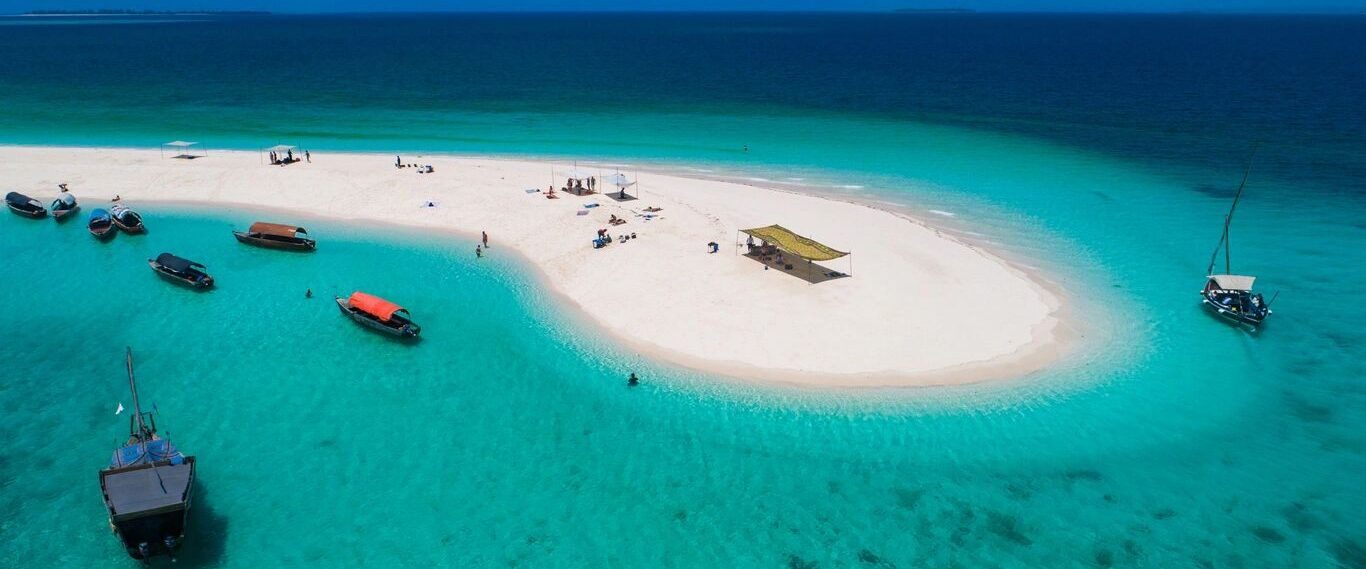
Tucked off Panama’s Caribbean coast, the San Blas Islands are a dreamy chain of 365 islands and cays governed by the Guna Yala people. Discover how to explore this off-grid paradise, rich in indigenous culture, history, and untamed natural beauty.
A Place the Map Almost Forgot

Just off the northern coast of Panama, where the Caribbean hums softly against unspoiled shores, lies a secret too good to keep: the San Blas Islands. A string of 365 sun-drenched isles—one for every day of the year—this autonomous indigenous territory is officially known as Guna Yala, named after the Guna people who have lived here long before Panama existed as a country.
Time seems to linger here.
No high-rises – No resorts – No chain restaurants.
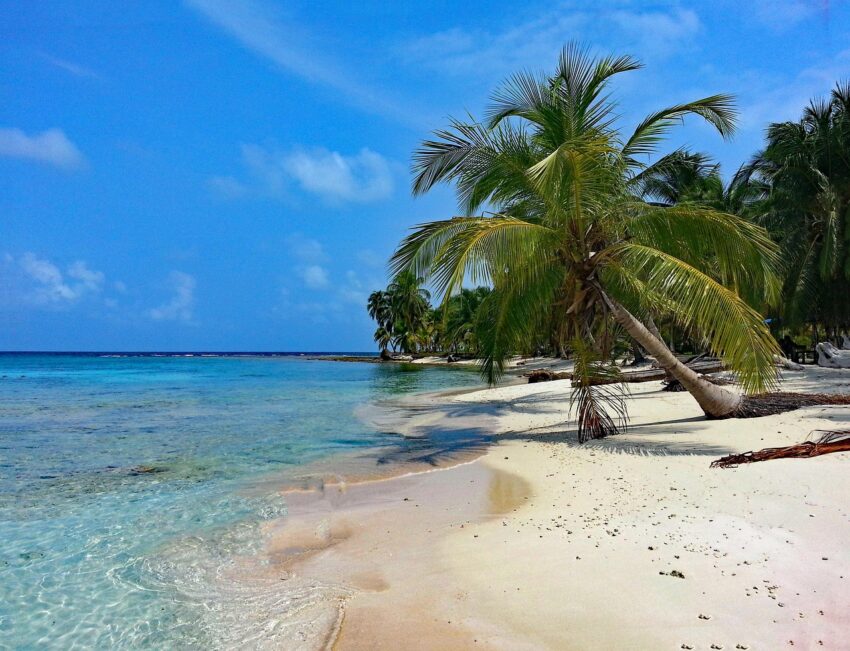
Instead, there are coconut palms, white sand beaches, handwoven hammocks, and a way of life that’s remained mostly unchanged for centuries. The rhythm of the sea sets the schedule. The culture is alive. And sunsets? Let’s just say the sky saves its best work for this place.
A Brief History Beneath the Palms
The Guna people (sometimes spelled Kuna) have lived on these islands and the nearby mainland for generations. Originally from Colombia, they migrated north and settled in the San Blas archipelago well before the Spanish arrived. In 1925, after resisting assimilation and forced changes by Panama’s central government, the Guna staged a short-lived but historic rebellion. The outcome? Autonomy. Today, Guna Yala is self-governed, with its own laws and customs.
Their traditional dress, especially the hand-sewn molas—intricately layered textiles worn by Guna women—are more than just art; they’re storytelling, identity, and resistance stitched into fabric. Language, too, is vital. The Guna language is widely spoken, though many also speak Spanish. Tourism here isn’t just about admiring the view; it’s about respecting a living, breathing culture.
Island-Hopping in a Castaway’s Dream

San Blas is raw and real.
You won’t find glitzy hotels or infinity pools here, and that’s the point. Most visitors arrive via jeep from Panama City (a 2.5-hour drive), then board a small boat at the Port of Cartí. What happens next depends on how adventurous you’re feeling.
Many travelers opt for multi-day island-hopping tours. These range from rustic camping on uninhabited islands to sailing aboard catamarans with onboard chefs.
Snorkeling in Coral Gardens

The water throughout the archipelago is crystal clear. And Dog Island is a popular destination. It is one of the few islas with facilities. It offers camping facilities, a quintessential tiki bar (think wood planks, rum, and beer). There is also a sand volleyball court.
Favored by snorkelers, the old navy gunboat draws undersea life – coral reefs, parrotfish, starfish, sea cucumbers. There are even reef sharks (don’t worry, they are harmless). For the adventurous, there are also underwater sculptures near Isla Perro Chico.
Sailing the Archipelago
Barefoot luxury with a day trip or a multi-day tour. There are several charter companies that offer sailboat or catamaran tours.
You’ll drift from island to island, sleeping under the stars and waking up in postcard scenes. Skippers often know the Guna families personally, making your experience more immersive.
Cultural Visits
Some islands are home to Guna communities. A visit to places like Isla Tigre or Nalunega offers a chance to learn firsthand about local traditions, family life, and Guna cosmology. Respect is key—always ask before taking photos, and don’t enter homes without an invitation.
Lobster Lunches and Coconuts
Local meals often include freshly caught seafood (grilled lobster if you’re lucky), coconut rice, and fried plantains. Many islands serve simple, delicious fare made with what’s readily available. It’s beach dining at its finest—sand between your toes and no shoes required.
Where to Stay in the San Blas Islands
The San Blas Islands are not a five-star destination, and that’s their magic.
Accommodations range from eco-cabins to overwater huts and catamaran cabins. Electricity and freshwater are limited, but the stars? Infinite.

Guna-Owned Island Lodges
Most lodging is operated by Guna families or communities. You’ll find wooden huts on stilts with thatched roofs, sometimes with shared bathrooms and no Wi-Fi. Some islands have upgraded offerings with solar panels, fans, and private terraces.
- Yandup Island Lodge: One of the more developed options with overwater bungalows and solar-powered comforts.
- Icodub Island Cabins: A friendly, backpacker-style option with daily meals and snorkeling.
Catamaran Charters
For a more private experience, sailing yachts provide all-inclusive multiday trips. Some include onboard chefs and snorkeling gear, giving you the freedom to explore at your own pace.
- San Blas Sailing
- Blue Sailing Panama
- Charter Dreams
What to Know Before You Go
This isn’t a fly-and-flop beach destination.
Let’s say that again!
This isn’t a fly-and-flop beach destination!
Visiting the San Blas Islands takes a little effort and an adventurous mindset, but what you gain is something no resort can offer.
Logistics – The Perfect Excuse To Unplug!
- Access: Drive or take a shuttle from Panama City to Cartí. From there, boats take you to the islands. Most Guna tours handle transport.
- Documents: Bring your passport—Guna Yala is autonomous and has checkpoints.
- Cash Only: There are no ATMs. Bring small bills in U.S. dollars (Panama’s official currency).
- Connectivity: Forget the feed. Most islands have no cell service or internet. A few boats may offer satellite Wi-Fi, but it’s best to unplug.
Respect Local Guna Yala Customs
Here are a few tips:
- Don’t take seashells or coral.
- Ask before photographing people.
- Alcohol is permitted, but avoid excessive partying on community islands.
- Support Guna-made handicrafts directly from artisans.
Why San Blas Is Worth the Journey
There are few places left on Earth where you can wake up on an uninhabited island, eat breakfast cooked by your boat captain, swim with starfish, and learn from a culture with centuries-old traditions—all in one day. The San Blas Islands aren’t polished, but they’re pure. And that purity sticks with you.
Travel here is more than a trip—it’s a gentle reminder of what matters. Connection, nature, culture, and calm. No clocks. No cruise ships. Just the sound of the sea, the rustle of palm fronds, and the feeling that, somehow, you’ve found the place you didn’t know you were looking for.
If the idea of unplugging on a remote island sounds like a dream, San Blas might just be your paradise. Yes, the logistics take planning. And no, it’s not for everyone. But for those who crave something off-script and deeply soulful, this slice of the Caribbean offers something few destinations still can: authenticity. Here, the sand is soft, the water is warm, and the culture is very much alive.
So pack light. Leave your expectations behind. And let the San Blas Islands show you what travel used to feel like—before the Wi-Fi, before the crowds, and before the world forgot how to slow down.
[ This article may contain links that provide the website with a small commission. ]

Rhonda Fletcher
Rhonda is an articulate hodophile, wine lover, and dedicated travel journalist and photographer. She focuses on culinary and cultural exploration, wildlife expeditions, ancient discoveries, and ecologically sustainable travel. Follow her exploits and shenanigans on X and Instagram: @rr_fletcher